
Girl Child Training
Girl training the main purpose of this project is to tackling issues that are affecting girls in communities and families. It also aims to address issues of development and leadership skills and also to boost their self confidence of girls and to address issues of inequality in communities and families to it also create a system that promotes and supports girls’ education.
Girl child training aimes to inspire and empower girl children living under disadvantaged circumstances to lead successful, independent and fullfilling lives. This programme is agained aimed at teaching girls how they should be treated and that they should love and accept themselves for who they are. The programme takes place every Thursday for two hours from 14h00 to 16h00 and 13 girls are trained.
Holiday Programmes
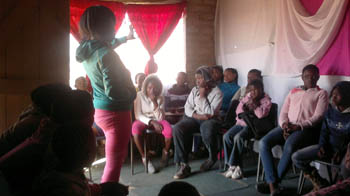 During school holidays child welfare e-Malahleni runs programmes that are aims to take the children out of the street by means of having educational and sports activities programmes. The aim of this project is to educate children while the are having fun. During school holiday the child welfare workers organize different guest speakers from different organizations and department to come and share information that affect children’s wellbeing.
Awareness Campaigns
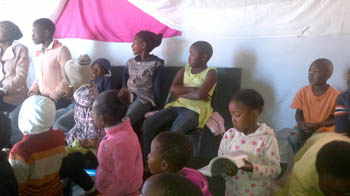 Child welfare workers do take time and go to schools and communities to educate children and parents about issues that affect children. In most communities children are still experiencing abuse and their rights are being violated most of the time. It also helps them to be able to see if their rights are being violated or if they are being abused.
After Care Programme
After care program me is situated at Ext 2 Hlalanikahle where children being assisted with school work from 14h00 to 16h30 Monday to Thursday. Other activities that are being done are general prevention education, sport and recreation, child group activities, life skills programs and memory box activities.
- Child group activities
- Homework’s
- Asibavikele volunteers preparing foods for after care
- Reading time
- Playing games outside
- Memory box activities
Foster Parent’s Workshop
The aim of the foster parent’s workshop is to educate foster parents about the changes that are brought up concerning foster care. Foster parents are called once quarterly to attend these workshops which also aimed at discussing the challenges foster parents faces.
Speaker addressing foster parents during foster parents’ workshop
Foods prepared for foster parents during workshops
Asibavikele
Awareness walk
Asibavikele is a national programme for HIV and AIDS and the care of children which gives credence to belief in the healing and power of community involvement and ownership in the addressing the needs of children in their environment. Emalahleni got 10 trained volunteers who conduct door-to-door home visits to check if the children are well taken care of, if the children are not suffering any kind of abuse.
We have high number of child protection because we managed to do child abuse, child trafficking, HIV/aids, children’s rights awareness raisings at different schools.
We started with after care, from the first of August 2011 which close to 60 children attends Monday to Thursday. We have a high number of psychological supports because the volunteers came across lots of psychological problems when doing home visits and as a result the social workers give emotional support and counseling to the children and parents.
Masikhulumisane Educational Group
Masikhulumisani which means let’s talk to each other is an educational group for foster parents which aimed at the following :
- To educate the foster parents about foster care
- To allow foster parents to explore and share their knowledge in relation to foster care
- To empower foster parents with financial management skills
- To empower foster parents with parenting skills.
It takes place at Eyethu social services conference centre and 10 foster parents attend 10 times, taking turns.
Operation Thandumdwana
Operation Thandumdwana which means love a child consists of 40 foster parents who are encouraged to safe foster care grand for foster children. Foster parents are encouraged to open bank accounts in the name of foster children and safe money from R50-00 to R200-00 depending on the age of foster children, which will help foster children to continue with their studies after grade 12. Foster parents will then have to submit proof of the deposit slip to the facilitator.